



After 20 years of running kitchens and owning restaurants, I’ve learned that what’s good for the planet is usually good for my wallet too. That’s true when it comes to cutting waste in my restaurants.
Let me share some hard numbers: According to research from Champions 12.3, a study of 114 restaurants across 12 countries found that nearly every site achieved a positive return, with the average restaurant saving $7 for every $1 invested in reducing kitchen food waste. Within just one year, these restaurants had reduced food waste from their kitchens by 26 percent on average, and over 75 percent had recouped their investment.1
I want to share my top five zero-waste restaurant solutions that have worked in my kitchens. These aren’t fancy ideas, they’re practical steps any restaurant can take to cut waste and grow profits.
1. Say Goodbye to Single-Use Plastics
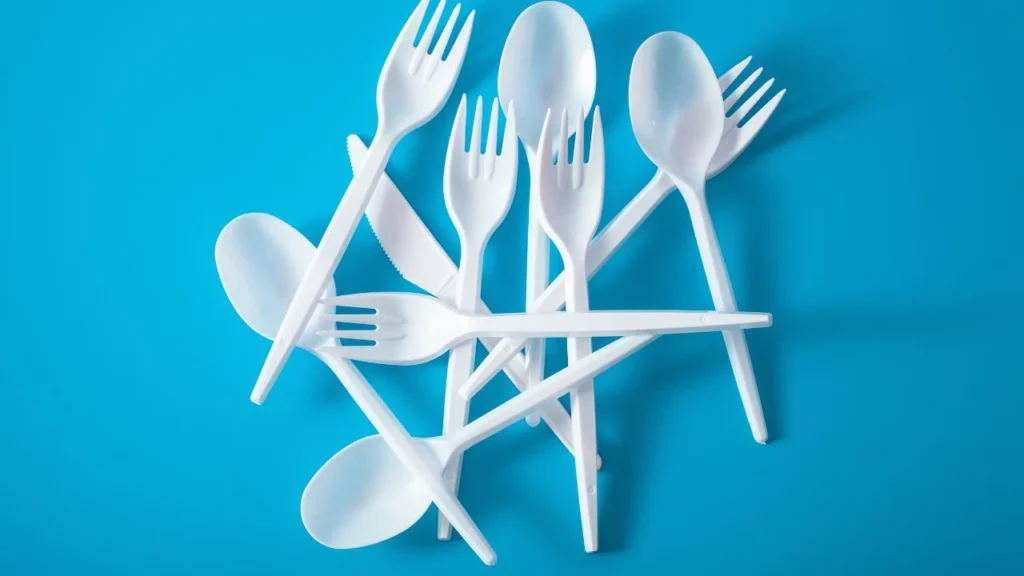
Remember when every takeout order meant a pile of plastic that would sit in a landfill for centuries? In my restaurants, we’ve kicked that habit.
Instead of plastic containers, we use glass jars and stainless steel boxes for takeout. Yes, they cost more upfront, but customers return them for a discount on their next meal. After just a few uses, these containers pay for themselves.
For dine-in customers, we’ve switched to real plates, metal straws, and cloth napkins. Our water stations use glass cups instead of plastic ones.
One change that made a big difference: we stopped using those tiny plastic cups for sauce. Instead, we use small ceramic ramekins that we wash and reuse. Our customers like them because they hold more sauce and don’t tip over!
The best part? Our trash output is down by nearly 40%, which means lower waste hauling costs. Plus, customers love posting pictures of our eco-friendly packaging on social media—free marketing!
2. Turn Food Scraps into Garden Gold
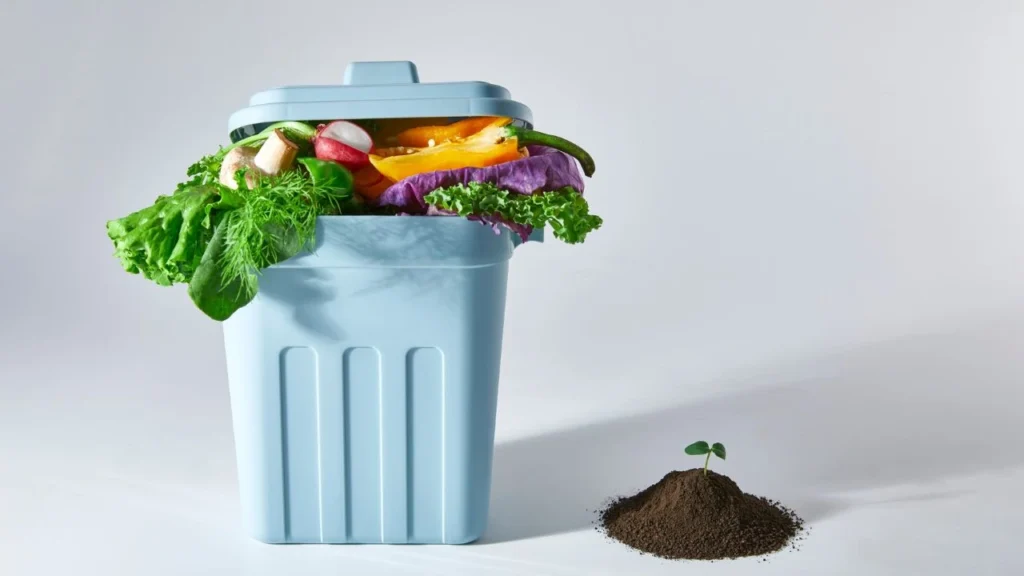
In my first restaurant, we threw away garbage bags full of food scraps every night. Now we turn those scraps into compost that helps grow the herbs we use in our dishes.
We keep separate bins in the kitchen for:
- Vegetable peels and scraps
- Eggshells
- Coffee grounds
- Paper towels
- Cardboard (shredded)
If you don’t have outdoor space for composting, don’t worry. Many cities now have compost pickup services. We pay $50 a month for ours, but we save $150 in trash fees, so we’re still ahead.
Some restaurants I know partner with local farms that pick up their compost materials for free. The farms get compost, and the restaurants get fresh produce in return. It’s a win-win!
One chef friend of mine even sells her restaurant’s compost to home gardeners as a side business. Talk about turning trash into cash!
3. Recycle Like You Mean It
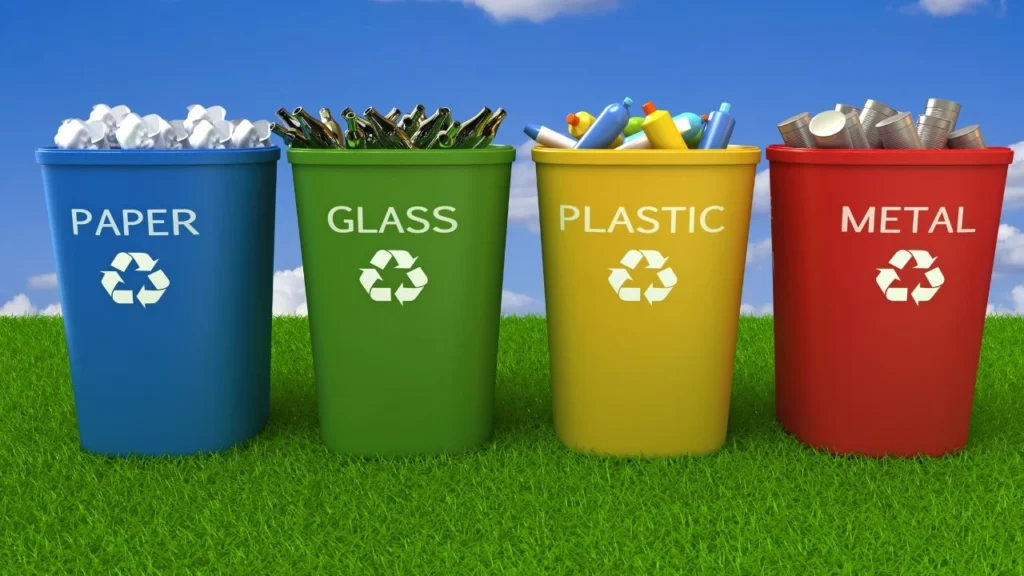
Basic recycling is just the start. In my restaurants, we go several steps further.
We have clearly labeled bins for:
- Glass (sorted by color)
- Metal
- Paper
- Cardboard
- Plastics (when we absolutely must use them)
But the real change was training my staff. We turned recycling into a team challenge with monthly rewards for the shift that sorts most correctly. Suddenly, everyone became recycling pros!
We also work with suppliers who take back their packaging. Our wine distributor collects empty bottles, and our produce supplier takes back their wooden crates. This cuts our recycling needs and strengthens our supplier relationships.
One recycling success: we found a local artist who turns our wine bottles into drinking glasses and lamps, which we then use in the restaurant. Customers often ask to buy them, creating another small revenue stream.
4. Buy Local, Buy Smart

The less distance food travels, the less waste it creates. Plus, local food just tastes better!
I get 80% of my ingredients from farms within 30 miles of my restaurants. This has cut packaging waste dramatically since most farmers use reusable crates instead of single-use boxes.
When I visit farms to pick up supplies, I bring back empty containers from the last delivery. This simple step has eliminated thousands of cardboard boxes from our waste stream.
Working directly with farmers has another benefit: I can request exactly what I need. If I only need 40 tomatoes instead of a standard 60-pound case, I get exactly 40. This means less food spoils before we can use it.
Shopping local has also introduced me to “ugly” produce—perfectly good fruits and vegetables that grocery stores reject because they’re not pretty enough. I get these at a discount, which is great for dishes where appearance doesn’t matter, like sauces, soups, and purees.
5. Use Every Bit of Food
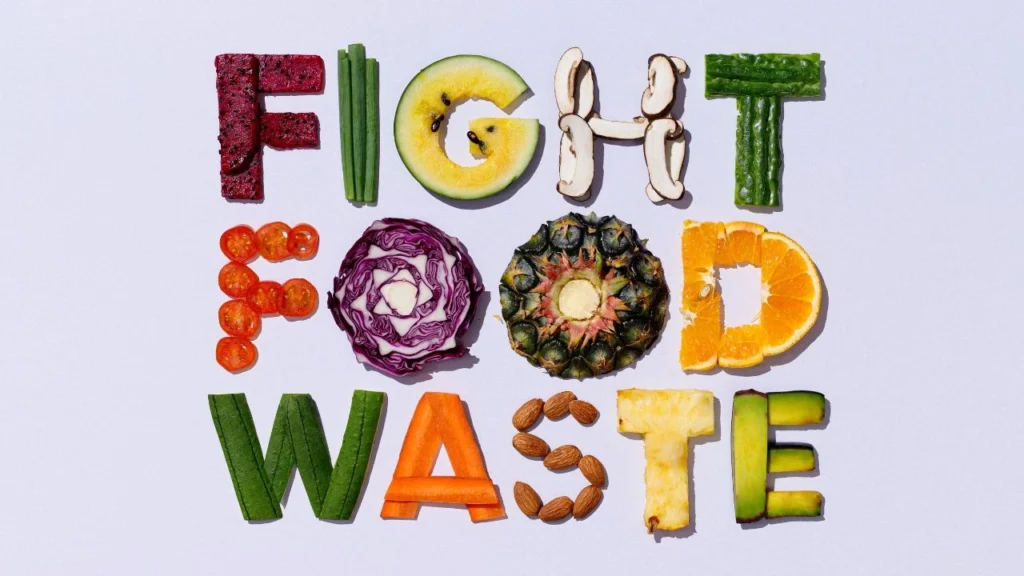
In my grandmother’s kitchen, nothing went to waste. I’ve brought that same thinking to my restaurants, and it’s probably saved me more money than any other strategy.
Here’s how we use food completely:
- Vegetable peels and ends go into stock
- Bread ends become croutons or breadcrumbs
- Meat scraps go into staff meals
- Citrus peels become zest for dishes or cleaning products
- Herb stems flavor oils and vinegars
We also design our menu to use ingredients multiple ways. If we buy cilantro for tacos, we also feature cilantro chutney that week. This helps us use everything we buy.
Portion control is another key part of this strategy. We regularly check plate waste to see if we’re serving too much food. When we reduced our pasta portions by just one ounce, food waste dropped 15% and no one complained!
For food that’s still good but won’t last another day, we offer end-of-day discount boxes to staff and regular customers. Some restaurants use apps like Too Good To Go that connect them with people willing to buy discounted food that would otherwise be thrown away.
Small Steps, Big Impact
You don’t have to implement all these changes at once. In my restaurants, we started with just one—composting—and added the others gradually over two years.
The key is to track your progress. We weigh our trash bags and recycling bins at the end of each night and keep a log. This shows us what works and keeps the team motivated as they see the numbers improve.
Going zero-waste isn’t just about being environmentally friendly. For every restaurant I’ve worked with, it’s been a smart business move that improves the bottom line. And in an industry with thin profit margins, every dollar saved is valuable.
Plus, there’s something good about running a kitchen that respects food and the planet. It connects us to the best traditions of cooking, where care and good use of resources were just as important as flavor.
Ready to cut waste in your restaurant? Start with just one of these solutions this week. You’ll see how quickly the benefits add up—for both your business and the environment.
Ready to Save Even More in Your Kitchen?
While these zero-waste practices will help your kitchen run more smoothly, don’t forget about your fryer! The right fry-oil management can cut your oil costs by up to 50% while serving better-tasting food.
Calculate Your Possible Fry-Oil Savings Today →
Resources
https://champions123.org/publication/business-case-reducing-food-loss-and-waste-restaurants
https://www.smithsonianmag.com/innovation/rise-zero-waste-restaurants-180974394/
https://eagleowl.in/w/4-ways-to-become-zero-waste-restaurant-in-2021/
https://www.gloriafood.com/zero-waste-restaurant-ideas
https://www.marketman.com/blog/guide-to-zero-waste-restaurants