


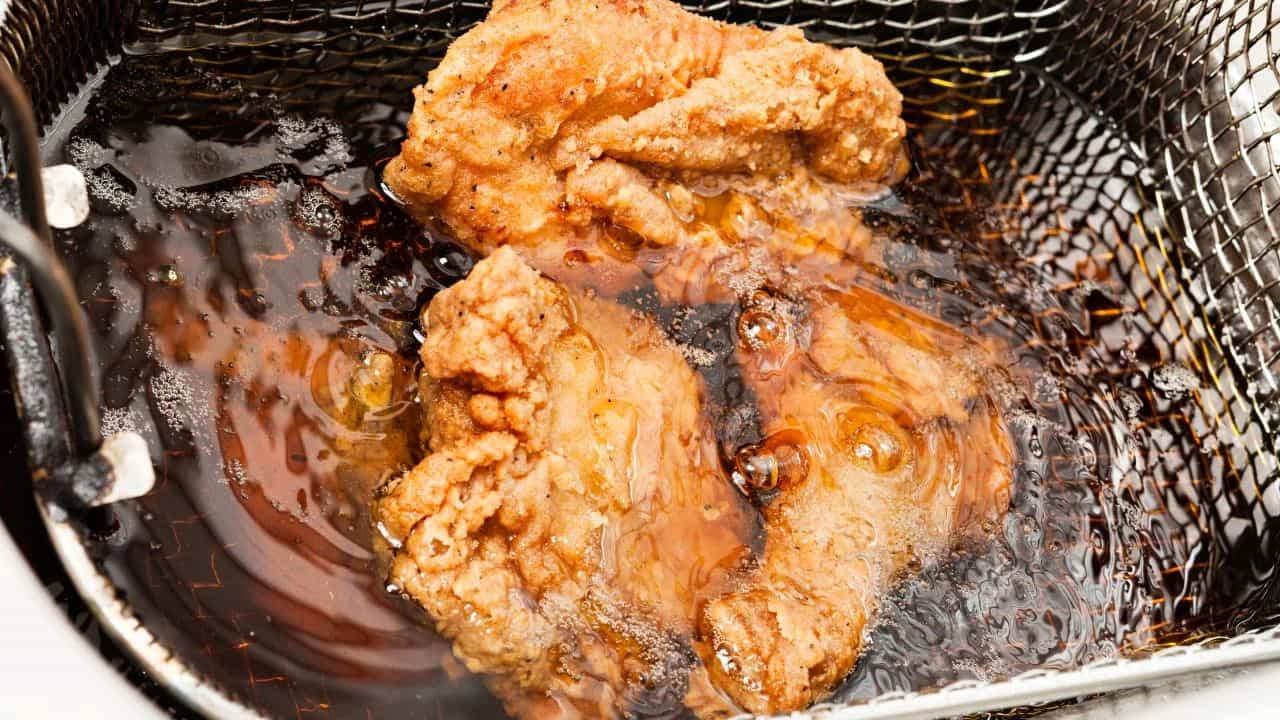
Smart Fry-Oil Management
Restaurants can cut fry-oil costs by 50% or more without sacrificing food quality — by using Frylow alongside daily filtration, temperature control, and oil testing that tells you exactly when it’s time to change.
Fry oil gets used up and thrown out without a second thought in most commercial kitchens. But with prices volatile and margins under pressure, managing oil well is no longer optional, it is a survival tactic.
Here’s how to stop oil breaking down before it costs you and how technology like Frylow fit into a practical, cost-saving program.
Why Fry-Oil Costs Are a Major Concern in Foodservice
How Fry-Oil Usage Impacts Operating Budgets
Fry oil is one of the largest recurring costs in foodservice. Supply pressures and biofuel demand have pushed prices sharply higher. Soybean oil saw double-digit increases at multiple points since 2022.
The financial hit goes beyond the purchase price. Poor oil management drives up labor costs and discarding oil before its time is one of the most common and costly mistakes in unmanaged kitchens.
Research by NSF-certified testing bodies confirms that structured oil management programs, like Frylow can extend usable oil life by 50% or more compared with unmanaged kitchens.
Ready to Cut Your Fry-Oil Costs?
Want better-tasting fried food and lower oil costs — without changing your setup? Frylow fits right into your existing fryers. Try it for yourself with a no-cost, no-hassle trial.
What Is the Connection Between Oil Quality and Food Quality?
Oil condition is the difference between a golden, crispy chip and a soggy, greasy one. As oil degrades it forms FFAs and TPM compounds that transfer bitter, burnt, or soapy flavours and increase grease absorption per portion.
Consistency builds reputation. A guest who gets perfect wings on Monday and dark, acrid ones on Thursday will not return.
The Six Enemies of Fry Oil (CHAMSS)

The foodservice industry uses the acronym CHAMSS to describe the six primary causes of oil breakdown. Understanding each one is the foundation of any cost-saving programme.
| Enemy | How it damages oil | How to control it |
|---|---|---|
| Carbon | Crumbs carbonise and turn oil dark | Skim every 30 minutes; filter at least twice daily |
| Heat | Sustained high heat accelerates oxidation | Set idle temperature below 250°F (120°C); use idle mode |
| Air | Oxygen causes oxidative rancidity | Cover vats overnight; keep fryer hood closed when not in use |
| Moisture | Water causes hydrolysis, lowering smoke point fast | Shake and drain baskets away from the vat; fully thaw frozen foods first |
| Salt | Catalyses oxidation of fatty acids | Season food at a separate station, never over the fryer |
| Soap | Alkaline residue destroys oil chemistry instantly | Rinse vats extremely thoroughly after boil-outs; use fryer-safe cleaning agents |
How to Extend Fry-Oil Life Without Compromising Quality

Step 1: Build a Daily Filtration Schedule
Filtration is the single most impactful habit in oil management. Filter at least twice daily: mid-service and at close. High-volume kitchens frying proteins or battered products should filter more often.
Built-in systems are the gold standard. They are fast, safe, and staff will actually use them. If you don’t have built-ins, a portable unit that filters oil in-vat is the next best option.
Step 2: Control Temperature at Every Stage
Heat is the fastest killer of oil quality. Every degree above the minimum necessary cooking temperature shortens oil life.
- Cook at 350–375°F (175–190°C) during active frying
- Set idle mode below 250°F (120°C) during any lull over 15 minutes
- Verify temperature with a digital thermometer — a thermostat reading 350°F while oil sits at 385°F is burning money silently
- Never preheat before the kitchen needs it

Step 3: Deploy Oil-Extending Technology
Filtration removes physical particles but not oxidation, the chemical breakdown that happens during normal cooking heat. This is where Frylow changes the economics.
Frylow is a ceramic device with precious metals baked into solid ceramic tiles. It sits in the cold zone of the fryer and neutralizes the polar compounds and free radicals that degrade oil. No electricity, no moving parts. Operators combining Frylow with regular filtration report oil life extending from 3 days to 7–10 days between changes.
Step 4: Handle and Store Oil Correctly
Store new oil in a cool, dark space. Heat and UV light can start oil breakdown before it reaches the fryer. Once in use:
- Cover vats during downtime and overnight
- Use only stainless steel tools — copper and brass accelerate rancidity
- Filter before topping up — fresh oil added to a dirty vat breaks down fast
Step 5: Test Oil Quality Objectively — Stop Using the Eye Test
Color is an unreliable indicator. Some oils darken quickly but still cook correctly. Others look clear but are chemically degraded. Relying on appearance causes two expensive errors.
- Discarding good oil too early
- Serving food cooked in bad oil too long
Two tools eliminate guesswork:
- Oil test strips: Measure free fatty acid (FFA) levels. Inexpensive, quick, and give a clear go / no-go reading. Ideal for kitchens new to objective testing.
- Digital TPM meters: Calculates total polar materials as a percentage. Change oil at 24–25% TPM. Below that, the oil is still good. Above it, it is done, regardless of how it looks.
Set a clear discard threshold and share it with the team, turning guesswork into a system.
Staff Training and Operational Practices That Lower Fry-Oil Spend

Train Your Team on the Why, Not Just the What
The most common training mistake is telling staff what to do without explaining why. When they understand that salting over the fryer attacks the oil and leads to slower cook times, more complaints, and more frequent changes, the habits follow.
A laminated poster near the fry station beats any manual filed in the office:
- Skim
- Cover
- Never salt over the vat
The Daily Fryer Maintenance Checklist
These six habits, performed consistently, can reduce oil spend by 50% or more in most commercial kitchens:
Six habits that can cut oil spend by 50% or more:
- Add Frylow to every deep fryer
- Skim every 30 minutes
- Filter at least twice daily
- Check thermostat accuracy weekly with a digital probe
- Cover vats when not in use
- Season food away from the fryer
Why Regular Fryer Maintenance Matters
Carbon-caked heating elements create hot spots that scorch oil and drive-up energy costs. Service fryers professionally every 3–6 months and clean daily.
When cleaning, rinse thoroughly because soap residue destroys fresh oil fast. Always follow a boil-out with a clean-water rinse before returning to service.
How to Know When Fry Oil Genuinely Needs Changing

Sensory Signs of Oil Degradation
Even with objective testing in place, sensory cues remain a useful first alert:
- Smoke at 350°F (177°C)
- Persistent foaming during cooking
- Dark, muddy appearance that won’t filter out
- Acrid, burnt, or fishy smell
- Food browning unevenly despite correct temperatures
Any one of these signs is a prompt to run an objective test before making the discard decision.
What Is a TPM Reading and When Should I Change My Oil?
TPM measures degraded compounds in your oil. The safe discard threshold across the EU, UK, and North America is 24–25%. Above it, food quality drops, grease absorption increases, and food safety is at risk.
A digital TPM meter reads in seconds. Kitchens changing oil by feel every 3 days often find it would have lasted 6–8 days. That’s a 50% or more reduction in oil costs with no drop in food quality.
Essential Equipment for an Oil Management Program

Choosing the Right Filtration System
Four tiers of oil management exist for commercial kitchens, from the most impactful to the most basic:
- Frylow + filtration (combined approach): The most effective programme. Frylow slows chemical breakdown while filtration handles physical debris. Together they address both root causes and deliver the longest oil life.
- Built-in filtration: Integrated into the fryer, filtration takes minutes and requires minimal staff effort, which means it actually gets done.
- Portable filtration machines: Filter oil in-vat while still hot. Safer, faster, and far more likely to be used consistently than manual methods. The recommended choice for kitchens without built-in systems.
- Manual filtration (cone filter and bucket): Low cost, high risk. Involves transferring hot oil and is frequently skipped during busy service.
The right system is the one staff will use every shift. Ease of use drives compliance and ultimately resulting in savings.
How Cloud-Based Monitoring Systems Save Money at Scale
Cloud-connected monitoring systems track filtration compliance, temperature, and oil change frequency across all sites, alerting managers when a location falls behind.
Upfront costs are typically recovered within 3–6 months through reduced oil spend and more consistent food quality.
Frequently Asked Questions About Cutting Fry-Oil Costs
What are the most powerful strategies to reduce oil costs?
- Use Frylow,
- Filter at least twice daily
- manage temperature with idle mode during quiet periods.
How much can a restaurant save with better oil management?
Typically, 50% or more and start saving from day one when using Frylow and a fry-oil management system.
How often should I change fryer oil in a busy restaurant?
There is no universal answer. The correct interval depends on what you fry, at what volume, and how well you manage the CHAMSS factors. Test with a TPM meter and change at 24–25%.
Well-managed kitchens extend from twice-weekly changes to once every 7–10 days.
What is a TPM reading and when should I discard my oil?
TPM measures degraded compounds in your oil. Discard at 24–25%. Above that, food quality, safety, and fryer performance all decline.
What temperature destroys frying oil the fastest?
Sustained heat above 375°F (190°C) degrades oil fast. Set idle mode below 250°F (120°C) during any gap longer than 15 minutes.
Can I reuse frying oil the next day?
Yes, if it has been filtered, the vat covered, and TPM is below 24%. If it smells rancid, foams on reheating, or reads above 24%, discard it.
Can I mix old and new frying oil?
Yes, but filter first. Fresh oil added to a dirty or high-TPM vat breaks down faster. Added to a clean vat, it seasons correctly and extends oil life.
Ready to Cut Your Fry-Oil Costs?
Want better-tasting fried food and lower oil costs — without changing your setup? Frylow fits right into your existing fryers. Try it for yourself with a no-cost, no-hassle trial.