


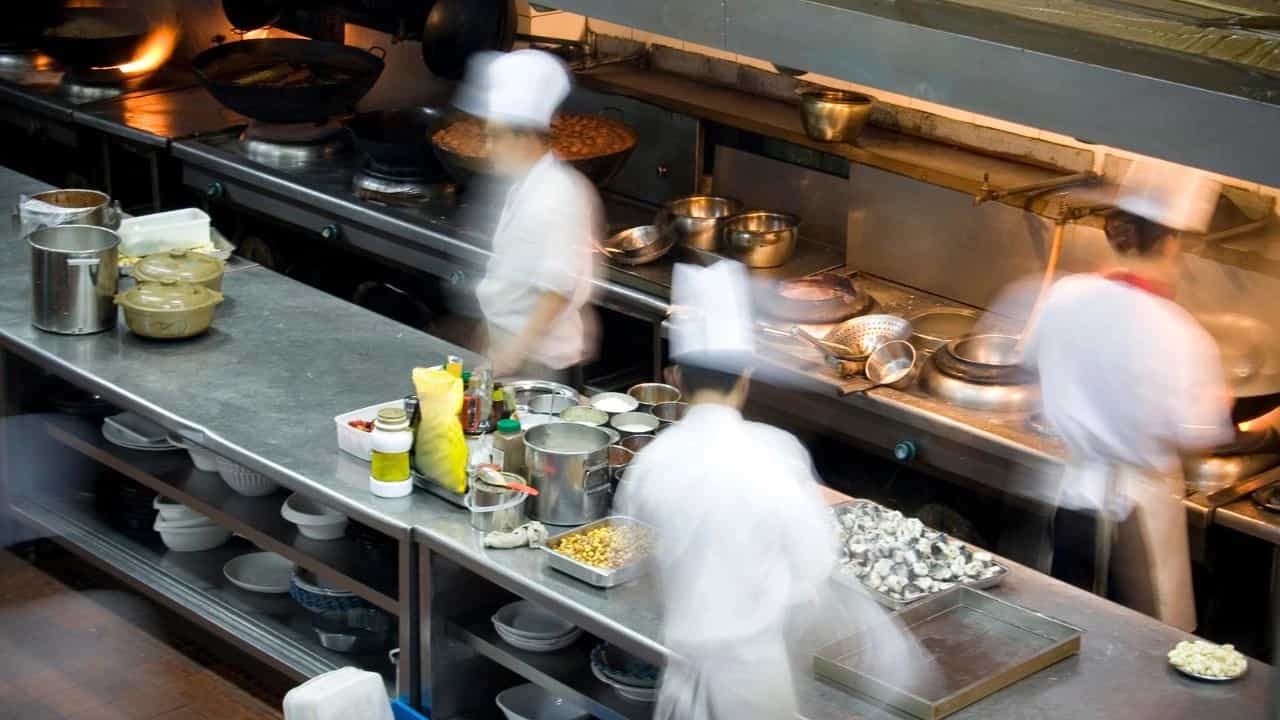
When I first stumbled upon the idea of integrating Frylow with kitchen operations, it was clear that this innovation could dramatically shift how we approach frying. As restaurant owners and kitchen chefs, consistently improving operations without compromising quality is a primary focus. Using Frylow not only extends the life of frying oil, reducing consumption by up to 50%, but also results in tastier fried foods.
For those managing busy kitchens, Frylow offers practical benefits that cannot be overlooked. Its adaptability with various fryer models, like the FL-25 for smaller capacities and FL-40 for larger operations, allows seamless integration into kitchen workflows. This simple addition comes with a reassuring 5-year warranty, ensuring a safe investment that enhances efficiency over time.
Adopting this tool doesn’t just save money; it also contributes to better food safety and overall kitchen performance. As an expert in the field, I understand the importance of reliable tools, and Frylow is a valuable asset that aligns with our mission of optimizing kitchen activities effectively.
Overview Of Frylow
As an expert in optimizing kitchen operations, I understand the significant impact Frylow can have on a commercial kitchen. This advanced device enhances oil life, reduces costs, and elevates the quality of fried foods.
Importance Of Integration In Kitchen Efficiency
Integrating Frylow into my kitchen operations has been pivotal in maintaining efficiency. The device, known for extending the life of frying oil by up to 50%, integrates seamlessly with my range of deep fryers. This not only reduces the frequency of oil changes but also saves time and effort in managing kitchen resources.
In a busy commercial kitchen, where every minute matters, having Frylow means fewer disruptions for oil maintenance. The Frylow devices like the FL-25 model fit perfectly in fryers holding 40-50 pounds of oil. Its adaptability makes it suitable for various fryer sizes.
The eco-friendly nature of Frylow is another benefit, helping me achieve both cost and energy savings. This ensures my fried food remains consistent in taste and quality, essential for customer satisfaction. This level of operational efficiency supports my mission to guide clients through practical strategies to improve their kitchen’s sustainability and profitability.
Understanding Frylow Technology
Frylow technology represents a significant advancement for restaurant kitchens. By extending cooking oil life and improving frying efficiency, it revolutionizes fryer oil management while enhancing food quality.
How Frylow Works
As a professional chef, I’ve witnessed how Frylow changes the frying game. This device integrates seamlessly with existing fryers, utilizing a unique photo-catalytic ceramic technology. It conditions the frying oil, maintaining its viscosity and preventing rapid degradation.
What makes Frylow distinct is its ability to allow food to be cooked at lower temperatures without sacrificing quality. This process reduces gas or electricity usage, making it cost-effective. The cooking oil remains fresher for longer, thus maintaining food taste and extending its lifespan significantly. Furthermore, Frylow’s adaptability means it can be used effectively in various kitchen setups, from bustling restaurants to smaller establishments.
Benefits Of Using Frylow In The Kitchen
Using Frylow has been transformative in my operations. It effectively cuts down on the frequency of oil changes by up to 50%, which brings substantial savings on restaurant frying oil. This efficiency directly impacts the kitchen’s bottom line.
Beyond cost savings, the ecological benefits are undeniable. Less frequent oil changes result in reduced waste, contributing to a smaller carbon footprint for the kitchen. Frylow also enhances the quality of fried foods by maintaining optimal moisture levels and preserving taste. These improvements not only uplift the dining experience but also help to build a loyal customer base. This integration optimizes kitchen processes and promotes sustainability, which is crucial in today’s restaurant industry.
Preparing For Integration
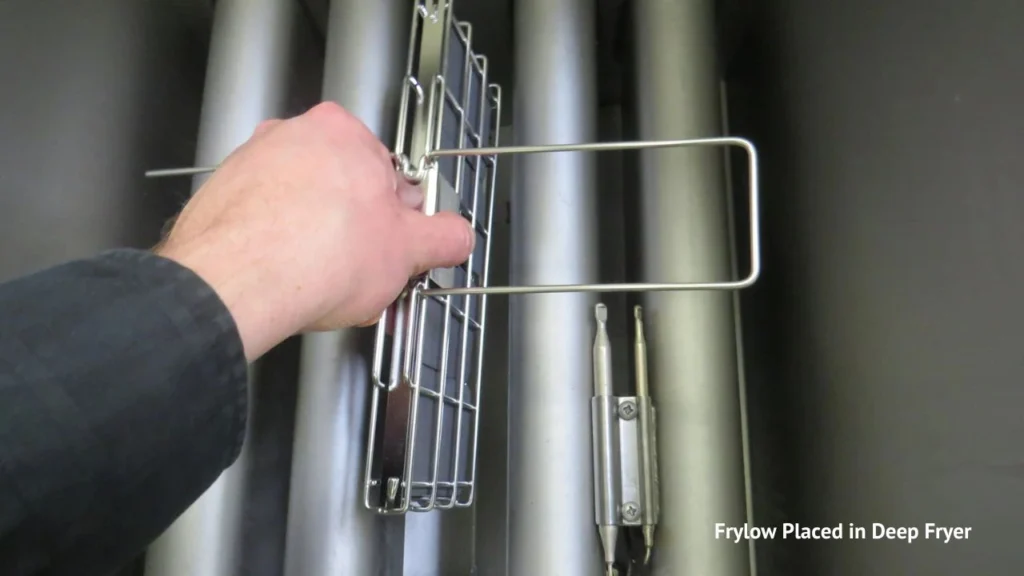
Before incorporating Frylow into kitchen operations, it’s crucial to understand the current setup, educate the staff, and establish clear objectives. This approach ensures a smooth transition that maximizes benefits from the technology.
Assessing Current Kitchen Setup
Evaluating your kitchen’s existing layout and equipment is my first step. I examine the fryers to determine compatibility with Frylow models like the FL-25 or the FL-40. Checking oil usage patterns helps gauge how Frylow can enhance oil efficiency. Taking these steps allows me to identify potential hurdles early.
It’s essential to review workflows. I analyze how food is prepared, cooked, and served. Recognizing any bottlenecks in the current processes helps in anticipating adjustments needed to integrate Frylow effectively.
Training Staff On Frylow Usage
Proper training is vital for seamless integration. I focus on ensuring that everyone understands how to operate the device. Few key areas include:
- Installation: Guidance on equipment setup.
- Daily Use: Instructions for optimal usage practices.
- Maintenance: Steps for regular cleaning and upkeep.
By emphasizing these points, I empower the team to confidently use the tool. I often hold training sessions, which cater to different learning styles to accommodate diverse needs. This practical approach aids in minimizing disruptions and maximizing efficiency from day one.
Setting Integration Goals
Setting clear integration goals ensures the effort aligns with broader restaurant objectives. I define specific targets, such as reducing oil costs by a certain percentage or improving food quality. Recording baseline metrics helps in tracking progress objectively.
Collaborating with the kitchen team to outline these goals fosters a sense of shared purpose. I encourage open discussions about potential improvements, which underscore the benefits of Frylow, like enhancing food quality and operational savings. Through this alignment, the kitchen can better adapt to both short-term changes and long-term improvements, making the transition smooth and rewarding.
Integrating Frylow Into Daily Operations
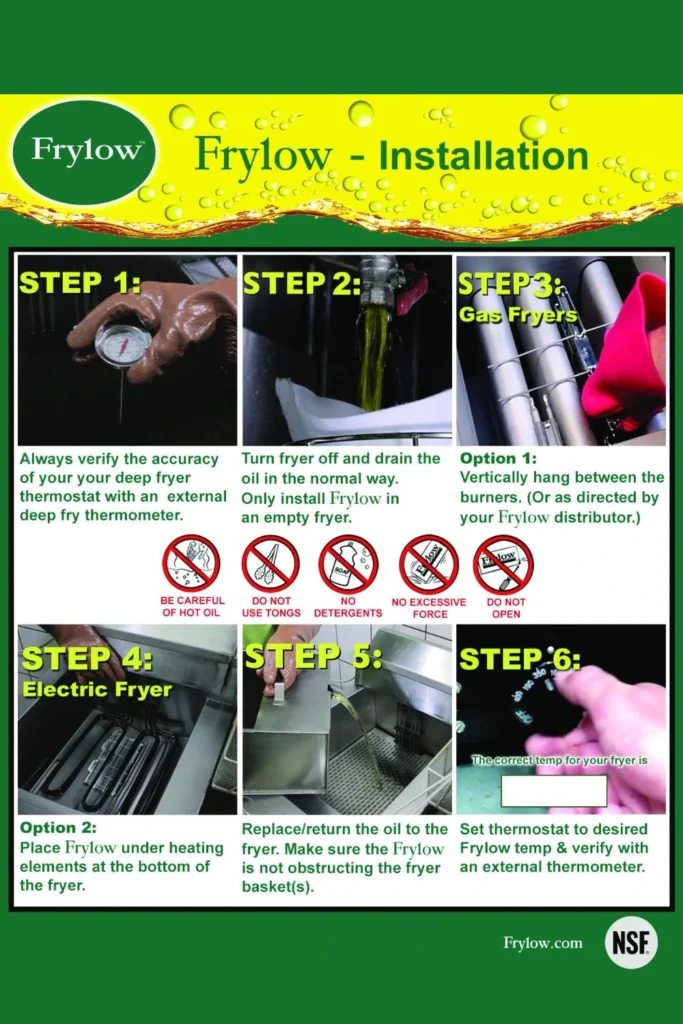
By incorporating Frylow into your kitchen, there’s potential to save on frying oil costs and improve your deep fryer’s efficiency. This guide covers installation, workflow adjustments for optimal use, and safety and maintenance procedures necessary for seamless integration.
Installation Process
Installing Frylow is straightforward, allowing for quick setup without major disruptions. Begin by ensuring your deep fryer is off and cooled, as this ensures safety during installation.
Next, place the Frylow device inside the fryer, making sure it fits securely. Most models, like the FL-25, are designed for fryers holding 40 to 50 pounds of oil. More robust models fit larger equipment found in high-volume kitchens and specialized food environments.
After installation, verify the device is properly aligned for optimal performance. This step is crucial to ensure that Frylow functions efficiently. Monitor the frying temperatures to maintain the enhanced oil lifespan and quality.
Workflow Adjustments For Optimal Use
Efficient kitchen workflows are vital for enhancing productivity and Frylow integration. Assess your existing setup and consider the kitchen work triangle for improved efficiency.
With Frylow in place, expect adjustments in frying times as oil stays cleaner for longer. Recalibrate cooking times to account for this change, ensuring food quality remains consistent.
Regular communication with your team is key. Share insights and encourage them to provide feedback on how Frylow affects their day-to-day tasks. Keeping everyone informed helps to seamlessly integrate advanced tools like Frylow into your operations.
Safety And Maintenance Procedures
Safety and maintenance are paramount when incorporating new technology. Frylow simplifies daily filtering, which is essential in maintaining oil quality and extending its life.
Establish a routine check-up to confirm that the device remains securely installed and functioning well. Educate staff on the proper handling and cleaning procedures to prevent accidents and ensure all equipment functions safely.
Regular maintenance guarantees longevity in both the Frylow device and the quality of the frying oil. Encourage best practices by engaging the team in training sessions and updating protocols as needed for optimal safety.
Enhancing Kitchen Efficiency With Frylow
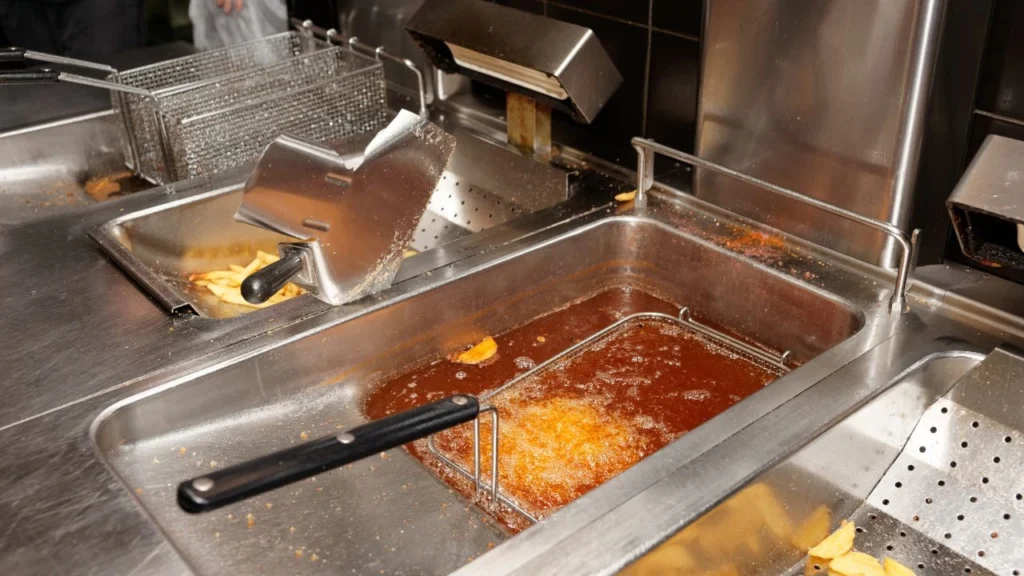
When integrating Frylow into your kitchen operations, several benefits can transform your workflow. Improvements include better cooking consistency, reduced oil usage, and simplified cleaning processes, all of which contribute to efficiency gains and cost savings.
Improving Cooking Consistency And Quality
In my experience, Frylow is a game-changer for achieving cooking consistency. The device enhances the quality of fried foods by stabilizing oil temperature, which ensures that each batch cooks evenly. This consistency can lead to higher customer satisfaction as patrons enjoy uniformly cooked meals.
Frylow’s technology also preserves the natural flavor of foods, making each dish taste fresh and delightful. Enhanced food quality can elevate your restaurant’s reputation, attracting more customers and improving your bottom line.
Reducing Oil Usage And Costs
I’ve found that reducing operational costs is crucial for profitability. Frylow excels in this area by reducing cooking oil consumption. It extends the life of frying oil by up to 50%, meaning fewer oil changes and lower expenses over time. This reduction directly translates to cost savings and a significant return on investment (ROI).
Adopting Frylow also supports sustainability efforts by decreasing the environmental impact of frequent oil disposal. Lower oil usage reduces the kitchen’s carbon footprint, aligning with eco-friendly practices that many modern diners appreciate.
Streamlining Clean-Up Processes
In my kitchen, cleaning is always a top priority, and Frylow simplifies this process. By maintaining oil cleanliness and reducing residue build-up, the device minimizes the time and effort required for fry station maintenance. This leads to more efficient and less time-consuming daily cleaning routines.
Implementing Frylow streamlines workflow, allowing staff to focus on tasks that enhance guest experiences. Strategic equipment integration can further boost kitchen efficiency and profitability without compromising on hygiene or food quality. This efficiency is a key factor in a well-run and harmonious kitchen environment.
Monitoring And Adjusting Kitchen Operations
When it comes to kitchen operations, it’s crucial to focus on tracking performance metrics and actively gathering feedback from kitchen staff. These elements ensure efficiency and maintain high food quality standards, while also minimizing waste and contamination risks.
Tracking Performance Metrics
I always stress the importance of using precise performance metrics to monitor our kitchen’s efficiency. Key metrics involve order processing time, waste levels, and equipment maintenance schedules. By maintaining a close watch on these figures, I’m able to fine-tune operations and prevent any lapses.
For instance, tracking the time taken from order receipt to delivery can highlight potential bottlenecks in our workflow. Regular checks on waste levels can also indicate how effectively ingredients are being utilized, aiding in cost control.
Gathering Feedback From Kitchen Staff
Feedback from kitchen staff is vital. They provide firsthand observations on workflow efficacy and potential contamination issues. By conducting regular team meetings, I solicit their thoughts on current processes and any improvements.
I find that engaging staff in open dialogue encourages them to share challenges without hesitation. This helps in tweaking operations for better productivity and safety. Staff insights also reveal how regular maintenance impacts kitchen efficiency.
For instance, crew feedback on frying equipment can guide proper maintenance schedules to prevent contamination and maintain quality. Their input is a valuable asset that can pinpoint areas needing adjustment, leading to a more harmonious and efficient kitchen environment.
Future-Proofing Your Kitchen Workflow
Incorporating the latest cooking innovations and scaling operations with advanced tools can significantly enhance kitchen efficiency. These strategies ensure that our workflow remains adaptable and efficient as the industry evolves.
Innovations In Cooking Technology
To stay competitive, investing in cutting-edge cooking technology is crucial. From induction cooktops to high-efficiency ovens, modern appliances not only speed up the cooking process but also improve energy efficiency. Smart appliances can streamline operations through integration with back-of-house systems.
With features like Wi-Fi connectivity, these devices allow for precise temperature control and remote monitoring. I focus on appliances that reduce waste and enhance safety. Advanced fryers, for example, minimize oil usage and maintain consistent cooking temperatures, ensuring high-quality results. Incorporating such technology can transform daily operations, making them more efficient and sustainable.
Scaling Up Operations With Advanced Tools
Scaling up kitchen operations requires more than just adding staff; advanced tools play a pivotal role. Implementing integrated kitchen management systems helps synchronize order taking, preparation, and service, ensuring seamless coordination. This not only speeds up service but also reduces errors, ultimately enhancing customer satisfaction.
Investing in modular designs and flexible layouts can aid in accommodating growth without complete overhauls. These aspects are invaluable when expanding capacity, as they adapt to changing needs. Tools like multi-purpose equipment and efficient storage solutions complement this expansion, providing the flexibility needed to handle increased demand efficiently. This approach keeps the kitchen versatile, ready to tackle whatever challenges come our way.
Conclusion
Integrating Frylow into kitchen operations can lead to significant cost savings and improved food quality. Let me break down the reasons why this innovation is a must-have for modern kitchens.
Recap Of Frylow Benefits
I’ve personally seen how Frylow enhances kitchen efficiency. By extending the lifespan of frying oil, it offers substantial savings on ingredient costs. It means you can fry longer without compromising on taste, yielding delicious results with less oil used.
Moreover, Frylow’s compatibility with various fryer models makes it adaptable across different kitchen settings. Whether you operate a high-volume restaurant or a specialized food environment, Frylow fits seamlessly. This flexibility helps streamline operations without the need for major equipment overhauls.
Frylow also supports eco-friendly practices by reducing oil waste. This not only lessens environmental impact but also appeals to the growing customer demand for sustainable dining options. By adopting Frylow, you’re investing not just in financial savings but in a responsible and modern approach to cooking.
FAQ
What is Frylow and how does it improve kitchen efficiency?
Frylow is an innovative oil filtration system designed to enhance the efficiency and lifespan of cooking oil in commercial kitchens. By reducing oil absorption in food and extending the usable life of the oil, Frylow not only helps maintain consistent food quality but also significantly cuts down on oil consumption and waste, leading to streamlined operations and cost savings.
How do I install Frylow in my current kitchen setup?
To install Frylow in your current kitchen setup, simply place the Frylow device directly into your existing deep fryer basket before adding oil. Ensure it is fully submerged and operating at a temperature of around 180°C (356°F) for optimal performance. This integration requires no additional equipment or modification to your existing fryer, making it an effortless enhancement to your kitchen workflow.
Are there any maintenance requirements for Frylow and how often should they be performed?
Frylow units require minimal maintenance, primarily involving regular cleaning to ensure optimal performance. It is recommended to clean the units every month by soaking them in hot water to remove any accumulated oil or debris. This simple maintenance routine helps prolong the lifespan of the Frylow and maintain its efficiency in your kitchen workflow.
Can Frylow be used with any type of fryer or are there compatibility considerations?
Frylow is designed to be compatible with a wide range of commercial deep fryers, making it a versatile addition to most kitchen setups. However, it’s always recommended to consult the manufacturer’s guidelines or directly contact Frylow to ensure optimal performance and compatibility with your specific fryer model. This ensures that you can seamlessly integrate Frylow into your kitchen workflow without any issues.
Resources
https://www.patrickafinn.com/blog/create-a-seamless-workflow-with-the-perfect-kitchen-work-triangle