


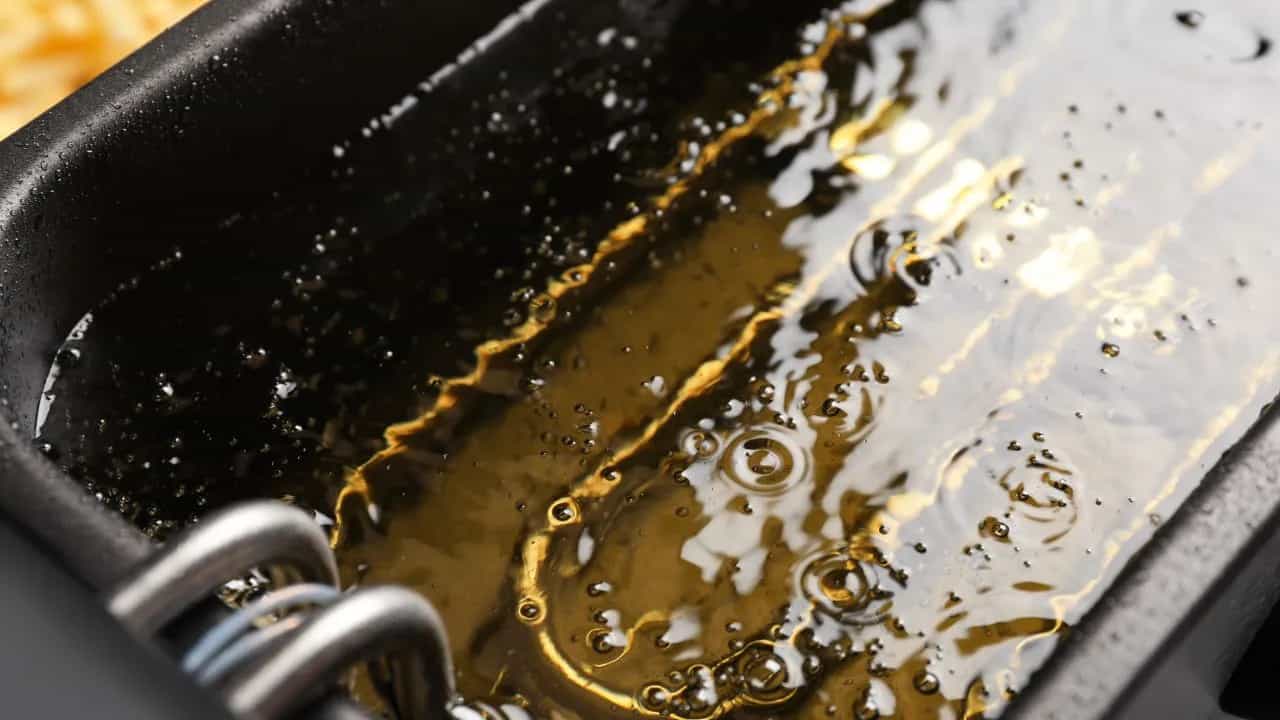
Deep fryer oil filtration is the process of removing food particles, carbon residue, and fatty acids from commercial cooking oil to extend its usable life and improve fried food quality. According to Dine Company, regular filtration reduces deep fryer operating costs by at least 35% — saving a four-fryer restaurant roughly $7,280 per year. A commercial fryer oil filter keeps oil performing at peak quality for five to seven days instead of two to three, whether the kitchen uses canola, soybean, or peanut oil.
Cost savings are only part of the equation. Unfiltered oil degrades through four mechanisms: water from frozen foods, oxidation from air exposure, sediment from burnt food particles, and thermal breakdown from sustained heat. Each of these accelerates chemical changes that lower the oil’s smoke point, darken its color, and produce off-flavors in fried food. A consistent filtration schedule — daily for high-volume kitchens — removes these contaminants before they compromise food quality, reduce customer satisfaction, or force a premature oil change.
Why should I care about filtering my fryer oil?

Regular oil filtration is the secret to doubling your oil’s lifespan and saving thousands of dollars in replacement costs. When you fry food, tiny particles break off and carbonize. These “burnt bits” accelerate oxidation, which lowers the oil’s smoke point and creates Total Polar Materials (TPM) – the scientific measure of oil degradation.
- Massive Savings: Cut your oil expenses by up to 50% by maintaining the oil’s oxidative stability.
- Better Flavor: Say goodbye to that “burnt” taste and “flavor transfer” between different foods.
- Happier Customers: Clean oil ensures the Maillard reaction happens perfectly, producing that golden-brown crunch without the bitter aftertaste.
- Lower Carbon Footprint: Extending oil life reduces the frequency of waste oil collection and is a win for sustainability.
How does a deep fryer oil filtration system actually work?
Think of it as a “reset button” for your oil that removes food debris and impurities before they turn into sludge. The system drains the hot oil from the fryer vat, runs it through a filtration medium, and pumps it back into the fryer.
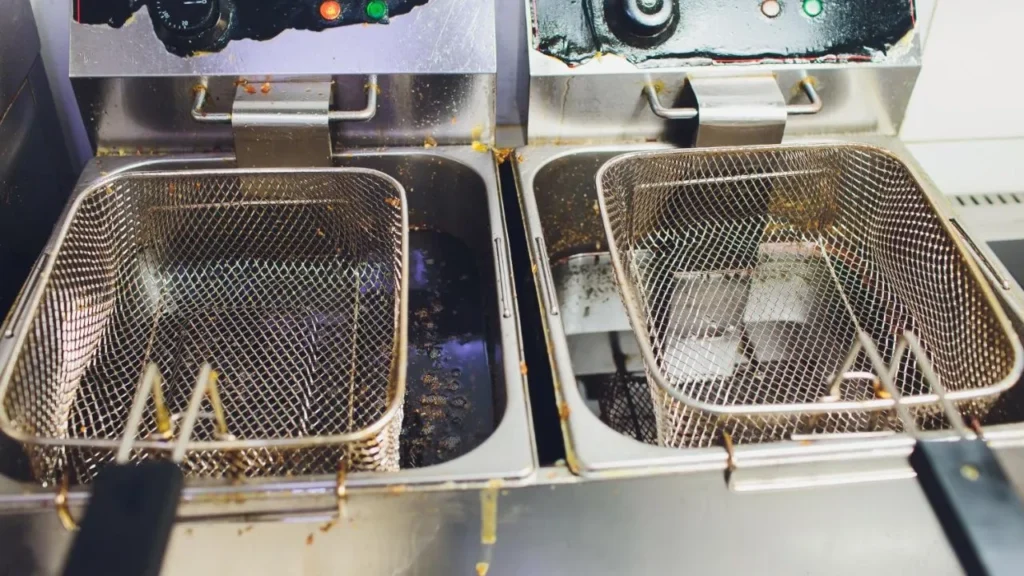
- The Drain: Used oil flows out of the frying chamber into a filtration area or a portable filter machine.
- The Catch: A micron-rated filter (sometimes catching particles as small as 5 microns) or filter paper traps the microscopic sediment. Some systems even use magnesium silicate (filter powder) to pull out dissolved impurities.
- The Return: A heavy-duty pump sends the cleaned, refined oil back into the vat.
- The Upkeep: Keeping the temperature steady and skimming the surface during the day helps the filter do its job even better.
What’s the difference between passive and active filtration?
Passive systems are low-tech tools like filter pots and cones that rely on gravity. They are the budget-friendly entry point for small shops. Active systems use a motorized pump to force oil through filters under pressure, which is much faster and more effective for high-volume kitchens.
Passive Systems (Best for light use)
- Low Entry Cost: Very little upfront investment, making them great for startups.
- Labor Intensive: Requires a bit more “elbow grease” and carries a higher risk of spills.
- Basic Cleaning: Good for large breading chunks but struggles with the tiny “fines” that ruin oil quality.
Active Systems (Best for high volume)
- Maximum Efficiency: Filters oil in minutes, meaning your throughput does not suffer during a rush.
- Deep Clean: Machines like the Vito Oil Filter use micro-filtration to remove microscopic impurities that gravity filters miss.
- Safety First: Automated pumps mean your team handles hot liquid much less often, reducing workplace safety risks.
How do I choose the right oil filtration fryer for my kitchen?
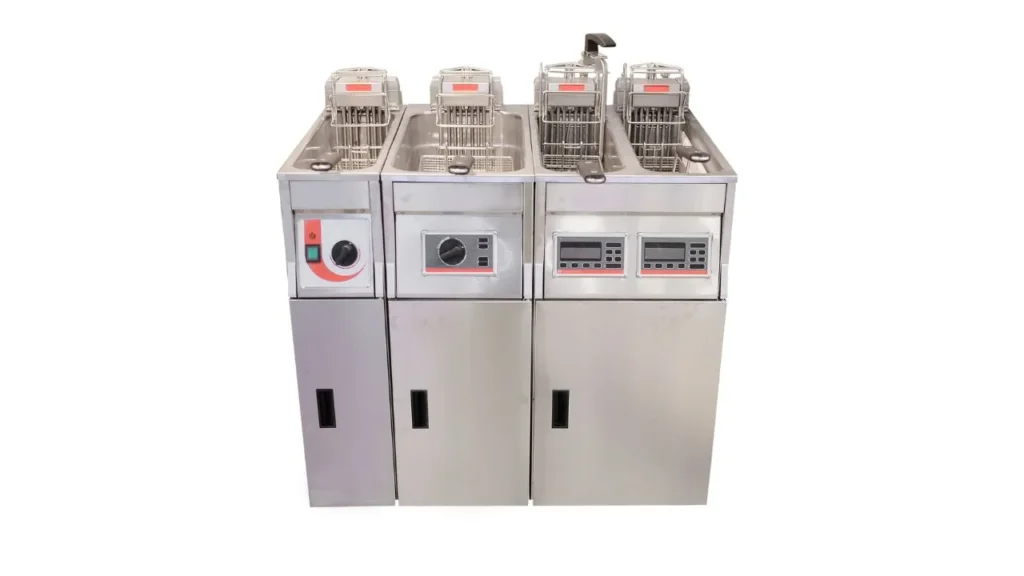
The right choice depends on your volume and your staff’s schedule. While built-in filtration systems from brands like Vulcan or Pitco cost more upfront, they pay for themselves by saving hours of labor and protecting your kitchen equipment investment.
- Check the BTU and Recovery Time: Choose a model that gets back up to temperature fast (high heat transfer efficiency) so your food does not soak up excess grease.
- Construction Quality: Look for heavy-gauge stainless steel that can handle the high-acid environment of used cooking oil.
- Built-in vs. Portable: Built-in systems are the gold standard for convenience, while portable machines offer flexibility if you have multiple independent fryer units.
How often should I be filtering my fryer oil?
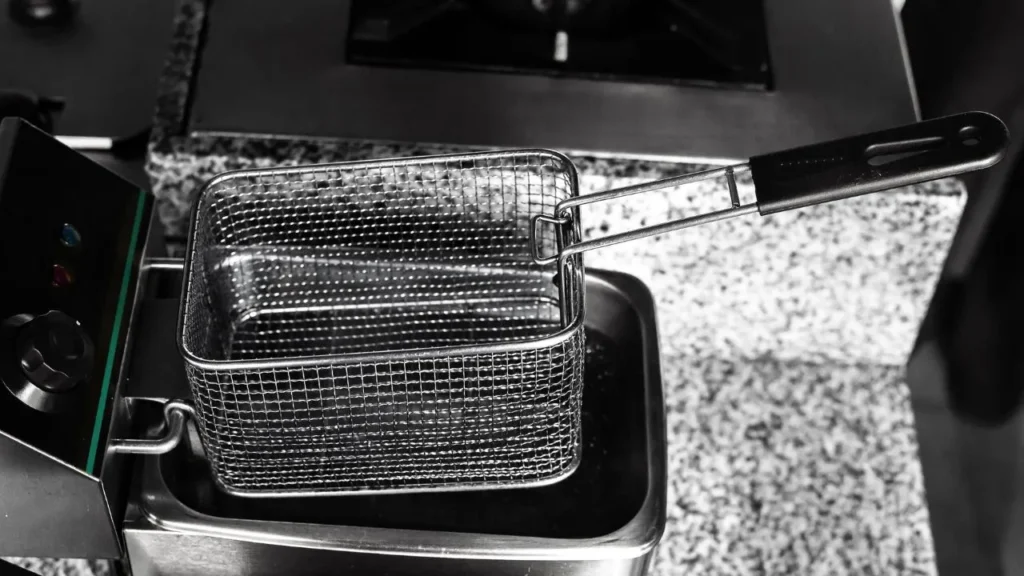
To get the most out of your oil, you should run it through a filter at least twice a day – usually after the lunch rush and at the end of the night. If you are frying heavy-sediment foods like breaded chicken, you might need to do it more often.
- The Twice-Daily Rule: This is the industry standard for keeping oil fresh for 7+ days.
- Monitor Oil Quality: Use oil test strips or a digital TPM meter. These tools tell you exactly when the oil is chemically “done,” so you do not throw away perfectly good oil too early.
- Daily Skimming: Take ten seconds to skim the top every 15 minutes to remove floating debris before it carbonizes.
- Preventive Maintenance: Check your pump’s O-rings and seals twice a year to ensure the system remains airtight. Schedule a full fryer boil-out monthly to remove the baked-on carbon and polymerized grease that filtration alone cannot reach.
Is there “smart” technology that can do this for me?
Yes, modern fryers are moving toward automation to take the guesswork out of food safety and oil management. Brands like Anets and Frymaster now offer “smart” fryers with integrated sensors.
- Auto-Filtration: These units can sense when a certain number of “cook cycles” have passed and will prompt the staff to start a filter cycle.
- Data Analytics: Some systems track oil usage and quality over time, giving managers a clear picture of their COGS (Cost of Goods Sold).
- Healthier Results: By maintaining optimal oil chemistry, these systems ensure food absorbs less oil, keeping your calorie counts consistent and your dishes light.
FAQ
Why should I care about filtering my fryer oil?
Regular filtration stops food particles from carbonizing and creating harmful Total Polar Materials. This doubles your oil’s lifespan, saving you thousands of dollars annually. It also prevents bitter flavor transfer and ensures your food gets that perfect golden crunch customers expect.
How does a deep fryer oil filtration system actually work?
It acts as a “reset button.” Hot oil drains from the vat into a filtration unit, passing through a micron-rated filter that traps microscopic sediment. A heavy-duty pump then sends the purified oil back into the fryer, removing the debris that causes premature oil breakdown.
What is the difference between passive and active filtration?
Passive filtration relies on gravity and simple tools like cones. It is affordable but labor-intensive. Active systems use motorized pumps to force oil through micro-filters quickly. Active filtration is the gold standard for busy kitchens, offering better cleaning, faster speeds, and improved safety.
How do I choose the right oil filtration system for my kitchen?
Focus on your volume and workflow. Built-in systems offer seamless convenience for high-volume spots, while portable units provide flexibility. Prioritize heavy-gauge stainless steel and high heat transfer efficiency to ensure fast recovery times and consistent food quality.
How often should I be filtering my fryer oil?
Filter your oil twice daily – once after the lunch rush and again at closing. If you fry heavily breaded items, you may need extra cycles. Use TPM meters or test strips to know exactly when to replace oil so you do not waste money dumping it too early.
Is there “smart” technology that can help manage fryer oil?
Yes. Modern “smart” fryers track cook cycles and prompt staff when filtration is needed. They often include data analytics to monitor oil costs. These systems maintain optimal chemistry automatically, ensuring consistent quality and lower oil absorption for healthier, lighter dishes.
Resources
https://www.dinecompany.com/blog/fryer-oil-filtration
https://www.rti-inc.com/fryer-filtration-monitoring/how-often-to-filter-your-cooking-oil/