


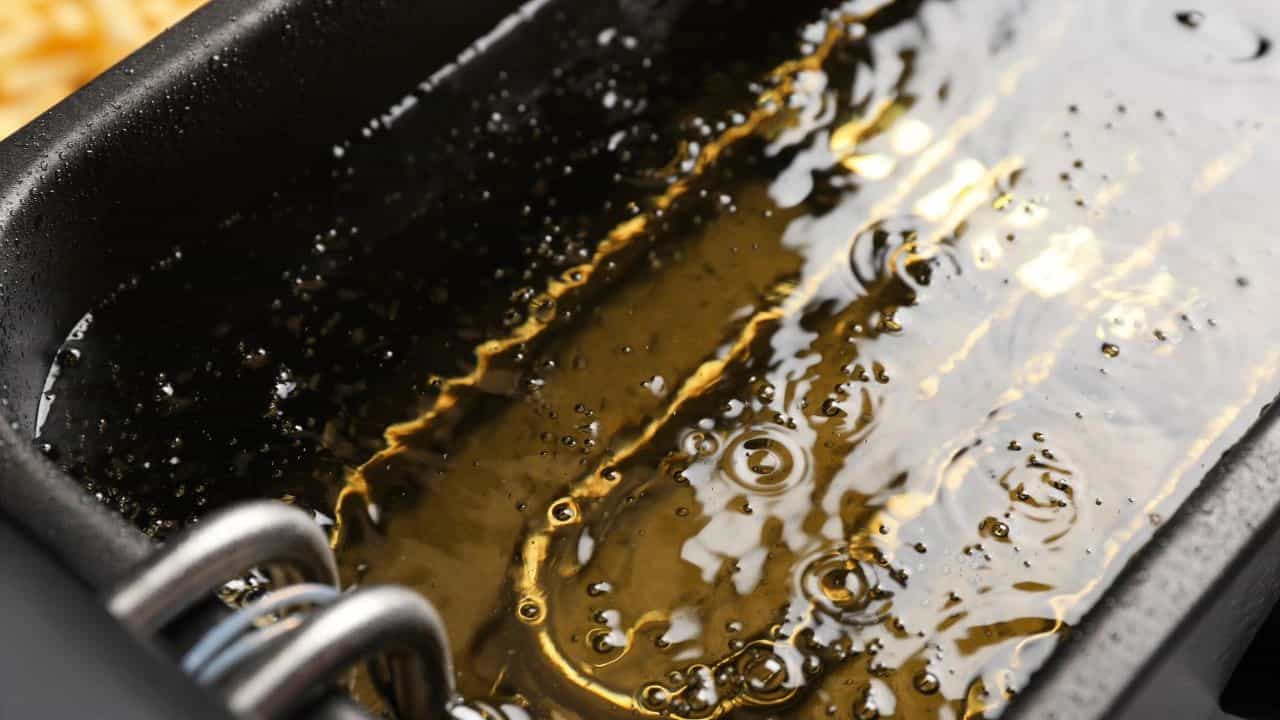
Frying oil goes bad when heat, oxygen, and food residue trigger a chemical process called oxidation, breaking down the oil’s molecular structure and producing harmful compounds. Bad frying oil shows clear warning signs: a lowered smoke point, dark or murky color, rancid smell, excessive foaming, and a sticky, thick texture. Spotting these signs early protects food quality, prevents health risks, and saves commercial kitchens from costly oil waste.
Reusing cooking oil is common practice in busy kitchens, but every fry cycle accelerates degradation. Oxidized oil creates free fatty acids that lower the smoke point, generate off-flavors, and can produce harmful free radicals. Below are eight indicators that your frying oil needs to be replaced and how to extend its usable life.
1. Is your oil smoking too early?
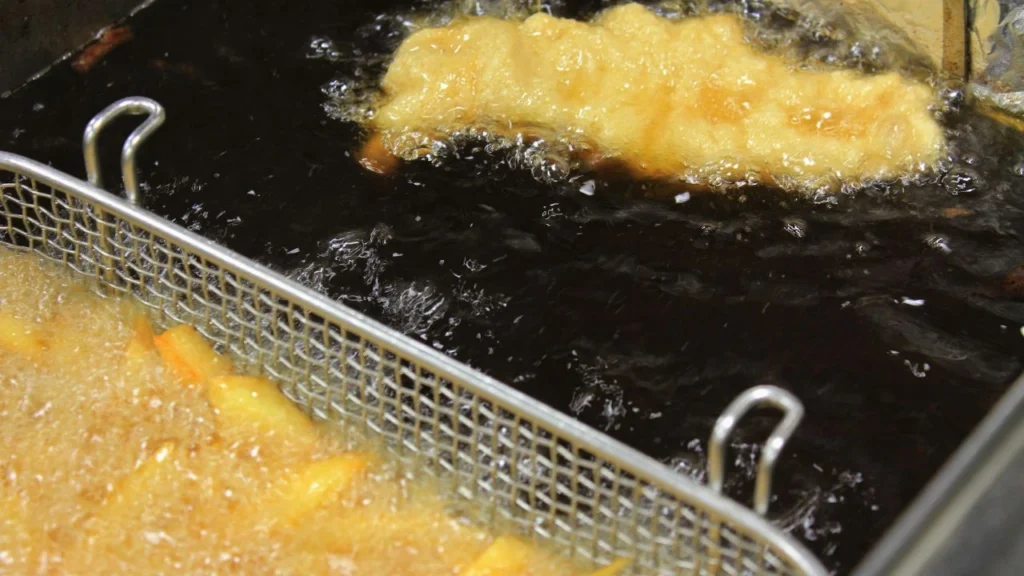
If your oil starts smoking before it even reaches frying temperature (usually around 350°F to 375°F / 175°C to 190°C), it has likely reached its smoke point much sooner than it should. This happens because the molecular structure of the oil has degraded from previous use. This creates free fatty acids that make the oil unstable.
- Watch the stove: If you see wisps of smoke earlier than usual, the oil’s ability to handle heat is gone. It is time to start fresh.
- Health matters: Cooking past the smoke point releases free radicals and acrolein. These are not things you want in your dinner.
- Flavor fail: Once an oil breaks down, it gives a burnt, bitter taste to everything from chicken tenders to donuts.
2. Why is my frying oil turning dark?
A noticeable change in color is one of the easiest ways to tell when to change fryer oil. While oils like canola or vegetable oil naturally get a bit darker after a use or two, a shift to a deep, murky amber or dark brown means the oil is saturated with carbonized food particles.
- The visual check: Compare your used oil to a fresh bottle. If it has lost its clarity and looks muddy, the pigments in the oil have chemically shifted.
- Consistency is key: Dark, degraded oil often leads to food that looks overcooked on the outside but stays raw on the inside.
- Monitor regularly: Get in the habit of looking at your oil every time you heat the pan to ensure it still has that clean, golden hue.
3. What does rancid oil smell like?
Fresh frying oil should have a neutral, almost non-existent scent. If you catch a whiff of something sour, acrid, or even something that smells like old crayons or Play-Doh, your oil has oxidized and gone bad.
- Trust your nose: If the scent makes you wrinkle your nose, the lipids have broken down too far. Do not put food in it.
- Specific scents: Extra virgin olive oil is especially prone to smelling musty if it has been exposed to too much light or heat.
- Prevention: Keep your oil in a cool, dark cupboard (not right next to the hot stove!) to slow down the oxidation process.
4. Why is my fryer oil foaming?
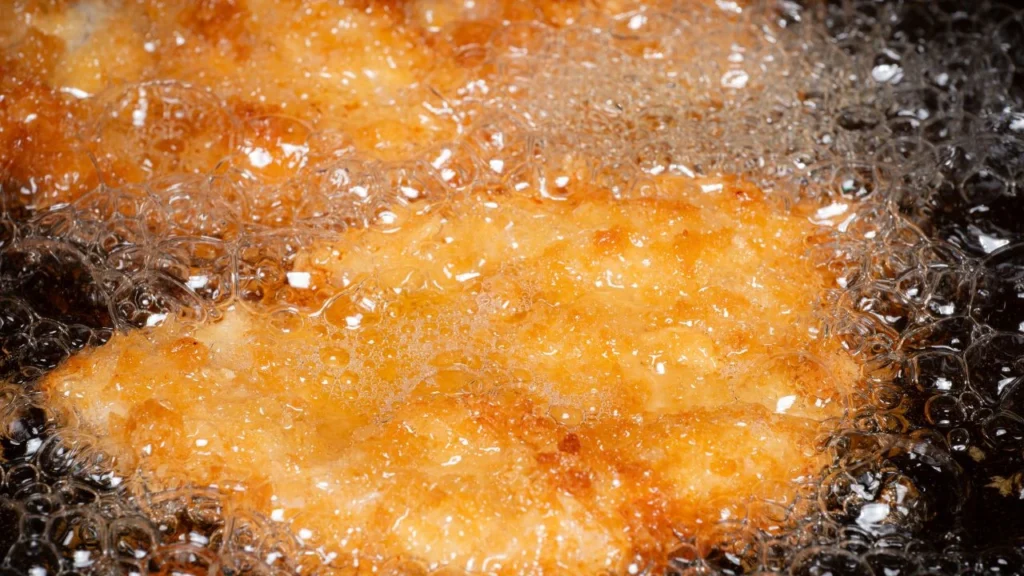
If you see a thick, soapy-looking froth or excessive bubbles forming when you add food, your oil has definitely seen better days. Foaming happens when impurities and moisture build up, causing the surface tension of the oil to change.
- Look for the froth: Real foam – which stays on the surface – is different from the standard bubbles you see when frying. It is a major red flag.
- Quality drop: Foaming oil will not sear your food properly. This means you will lose that satisfying crunch.
- Replace immediately: Once foam appears, the oil has undergone too much degradation. There is no way to fix it.
5. Is it normal for my oil to feel sticky?
As oil ages, it undergoes polymerization. This is just a fancy way of saying the oil molecules join together to create a plastic-like film. If you notice a sticky residue on your baskets or if the oil feels tacky, the thickness has changed for the worse.
- The tackiness test: Carefully check the rim of your fryer or pan. If it feels like tape residue or gummy, the oil is too old.
- Loss of crispness: Thick, polymerized oil does not “jump” away from the food. This leads to soggy, oil-logged meals.
- Shelf life check: Even if the “best-by” date has not passed, check the texture if the bottle has been open for more than six months.
6. Testing with food
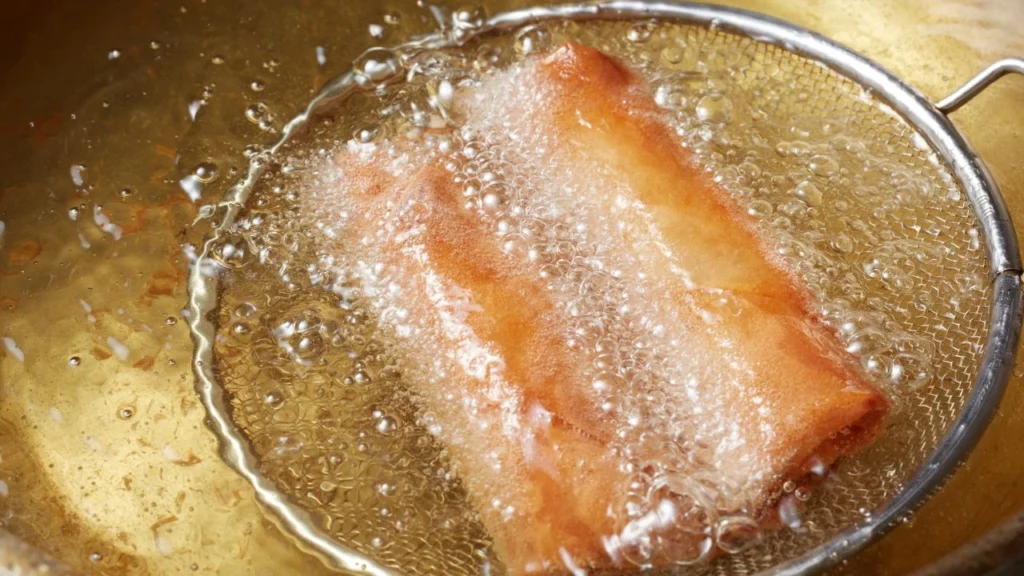
Dropping a small piece of bread or a test nugget into the pan is a great way to see how the oil reacts. Fresh oil will sizzle instantly as the moisture evaporates, while bad oil might stay silent or release an immediate off odor.
- The sizzle factor: No sizzle means the oil is not conducting heat properly anymore. This happens when the triglycerides in the oil have broken down.
- Grease absorption: If your test piece comes out feeling like a heavy sponge, the oil is too old to create a proper steam barrier.
- Clarity check: While testing, look for murkiness. If you cannot see the bottom of the pot through the oil, it is done.
7. Strange aftertastes
Your taste buds are your best defense. If your fried treats have a metallic or chemical aftertaste, the oil is rancid and should be tossed out.
- Neutral is better: Fresh oil should never overpower the flavor of your ingredients.
- Trust your palate: If something tastes funky, it is often a sign of hydrolytic rancidity caused by moisture in the oil. Do not ignore it.
- Discard promptly: It is better to lose a bit of oil than to ruin an entire dinner. Remember: never pour used oil down the kitchen sink. Seal it in a container and toss it in the trash.
8. How to clean fryer oil for reuse
You can stretch your oil’s lifespan with a little maintenance. Filtering out food particles and storing the oil correctly are the two best ways to keep it fresh for another round.
- Filter every time: Once the oil is cool, run it through a fine-mesh strainer or a coffee filter. This removes the crumbs that burn and speed up oil spoilage.
- Pick the right oil: If you fry often, use oils with a high smoke point like peanut oil, corn oil, or refined avocado oil.
- Smart storage: Always seal your oil tightly. Air is the enemy of fresh oil because oxygen is what triggers the breakdown process.
FAQs
Is it a bad sign if my frying oil starts smoking early?
Yes, early smoking means your oil’s stability has collapsed. As oil breaks down from previous use, it creates free fatty acids that lower its smoke point. Cooking past this point releases harmful free radicals and ruins food with a bitter, burnt flavor. It is time to start fresh.
Why does my frying oil look dark or murky?
Darkening is a clear signal that your oil is saturated with carbonized food particles and degraded pigments. While slight color changes are normal, a deep amber or muddy appearance means the chemical structure has shifted. This leads to food that looks overcooked outside but stays raw inside.
How can I tell if my oil has gone rancid by the smell?
Fresh oil should be neutral. If you notice a sour or “old crayon” scent, the lipids have oxidized. This is common if oil is stored near heat or light. Trust your nose; if the smell makes you recoil, the oil is ruined and will ruin your meal’s flavor.
What does it mean if my frying oil starts foaming?
Foaming occurs when impurities and moisture build up, changing the oil’s surface tension. This thick, soapy froth is a major red flag that the oil has undergone extreme degradation. Because it will not sear food properly, you will lose that perfect crunch. Once you see foam, replace it.
How can I properly maintain my oil for future use?
You can extend oil life by filtering it through a fine-mesh strainer or coffee filter once cooled. This removes burnt crumbs that accelerate spoilage. Store it in a cool, dark place in a tightly sealed container, as exposure to oxygen is what triggers the chemical breakdown.
Resources
https://www.zeroacre.com/blog/cooking-oil-smoke-points
https://farmselite.com/foam-in-the-oil-why-does-it-occur-in-frying/
https://safewayusedoil.com/2020/08/signs-your-restaurants-fryer-oil-needs-to-be-changed/