


Canola oil and peanut oil are two of the most common cooking oils for frying, baking, and sautéing — but they differ in smoke point, fat composition, and flavor. Refined peanut oil reaches a smoke point of about 450°F (232°C), while refined canola oil sits between 400°F and 450°F (204–232°C). That makes peanut oil the stronger pick for deep frying, while canola oil works better as a neutral, all-purpose option.
So which is the healthiest cooking oil between the two? Canola oil contains more monounsaturated fat and less saturated fat, which gives it a slight edge for everyday heart health. Peanut oil delivers more vitamin E and a subtle nutty taste that pairs well with Asian-inspired dishes and fried foods. The right choice depends on what you are cooking, how hot you are cooking it, and whether flavor matters for the dish.
I have tested both oils across hundreds of meals — frying, roasting, baking — and there is no single winner. Here is how canola and peanut oil actually stack up across nutrition, performance, and taste so you can pick the best oil for what is on tonight’s menu.
What is the main difference between canola oil and peanut oil?
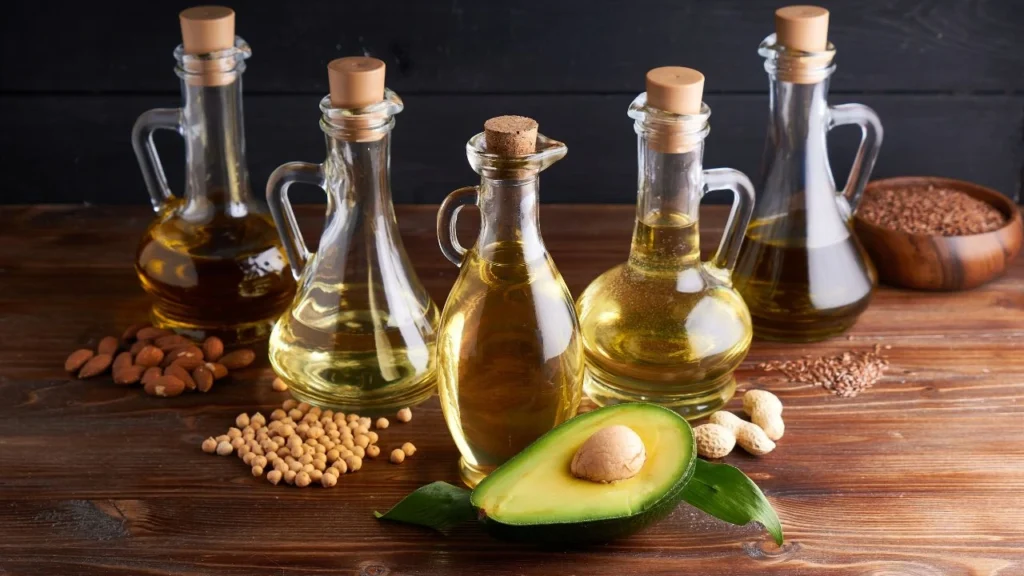
The biggest difference lies in their fatty acid profiles and flavor. Canola oil (which comes from the rapeseed plant) is a neutral, refined oil. It acts as a “stealth” ingredient that lets your spices shine. Peanut oil (sometimes called ground nut oil) brings a bold, nutty personality to the pan.
- Canola Oil: Known for its neutral flavor profile, it is best for baking, homemade vinaigrettes, and mild dishes where you do not want the oil to compete with the ingredients.
- Peanut Oil: Best for Asian cuisine, stir-fries, and any recipe where a toasty, rich aroma adds to the experience.
Which is the best oil for deep frying?
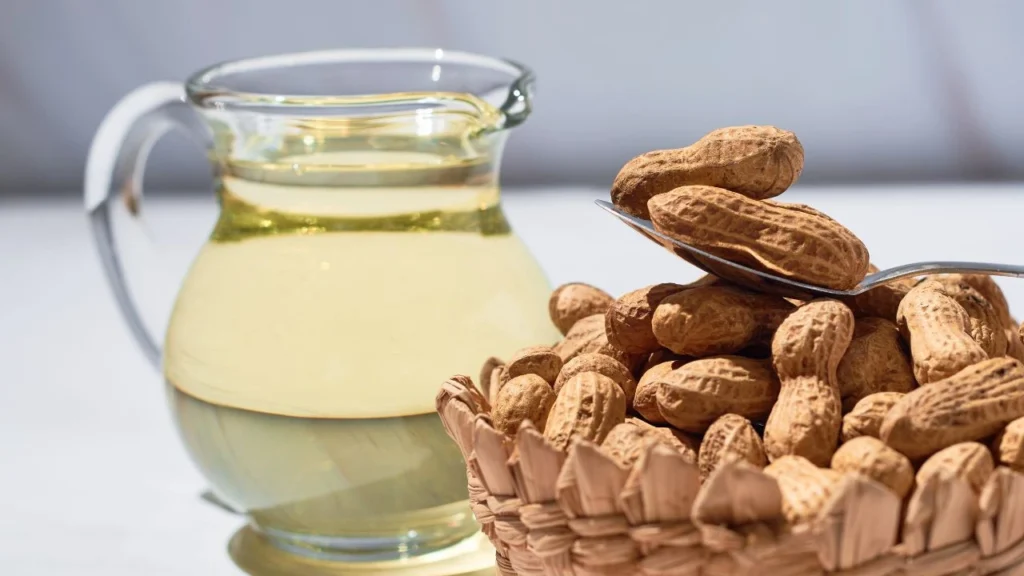
Peanut oil is widely considered the gold standard for deep frying because of its oxidative stability. It does not break down easily into harmful compounds at high temperatures. This means your food comes out crispy and clean-tasting rather than greasy or burnt.
- Peanut oil smoke point: Approximately 450°F (232°C), ideal for high-heat searing and commercial-style frying.
- Canola oil smoke point: Typically ranges from 400°F to 450°F. While it is great for sautéing, it can be slightly less stable than peanut oil during long, repetitive frying sessions.
- The Crunch Factor: Peanut oil is famous for creating that “perfect crunch” on fried chicken or tempura because it allows for a quick, even heat transfer without soaking into the breading.
Which option is the healthiest cooking oil for heart health?
If you are prioritizing wellness, canola oil is often cited by nutritionists as a winner because it is much lower in saturated fat and higher in Alpha-linolenic acid (an essential Omega-3 fatty acid).
- Saturated Fat: Canola has about 56 percent less saturated fat than peanut oil, making it a staple for cholesterol management.
- Vitamin Boost: Canola oil provides significantly more Vitamin K (71.3µg vs 0.7µg in peanut oil), which is essential for bone health.
- Antioxidants: While canola wins on Vitamin K, peanut oil is a great source of Vitamin E, an antioxidant that protects cells from oxidative stress.
- Good Fats: Both oils are rich in monounsaturated fats, the “healthy fats” also found in olive oil.
Can I use canola oil as a peanut oil substitute for frying?
Yes, canola oil is an excellent 1:1 substitute for peanut oil, especially if you are cooking for someone with a nut allergy.
- Allergy Concerns: While highly refined peanut oil is often safe for some people with allergies because the proteins are removed during processing, using canola oil eliminates the risk of cross-contact entirely.
- Versatility: Because it lacks the nutty scent, canola works in almost any recipe, whereas peanut oil can sometimes overpower delicate flavors like white fish or light pastries.
How do wholesale cooking oil prices compare?
In most cases, canola oil is more budget-friendly and easier to find in bulk quantities than peanut oil.
- Canola: An affordable commodity oil readily available at any grocery store or wholesale club.
- Peanut: Often classified as a “specialty” or gourmet oil, it carries a higher price tag due to more intensive harvesting and production costs. However, it has a long shelf life and does not go rancid as quickly if stored in a cool, dark place.
Which oil is better for the planet?

Both oils have environmental trade-offs, so looking for specific labels on the oil extraction method is key.
- Canola: Much of the world’s canola is GMO (Genetically Modified). If you want to avoid synthetic pesticides, look for “Non-GMO Project Verified” or expeller-pressed versions, which are extracted using physical pressure rather than chemical solvents.
- Peanuts: These are nitrogen-fixing crops, meaning they actually improve soil health. They are often rotated with cotton or corn, making them a relatively sustainable choice when farmed responsibly.
The Quick Verdict
Choose canola oil for your everyday cooking, heart-healthy meal prep, and budget-friendly baking. Reach for peanut oil when you want to level up your Friday night fry-up or add a gourmet, toasty depth to a stir-fry. Both have a permanent spot in my pantry – it just depends on the vibe of the meal!
FAQ
What is the main difference between canola oil and peanut oil?
The primary distinction lies in flavor and fat composition. Canola oil is a neutral, refined option perfect for baking. Peanut oil is robust, offering a toasty, nutty aroma that enhances stir-fries while providing a distinct fatty acid structure that stands up well to high heat.
Which is the best oil for deep frying?
Peanut oil is the champion for deep frying due to its 450°F smoke point and high stability. It does not break down easily at high temperatures, ensuring your food gets a crispy crunch without tasting greasy. Canola is good for sautéing, but peanut oil handles repetitive frying better.
Which option is the healthiest cooking oil for heart health?
Canola oil takes the lead for heart health due to its low saturated fat and high Omega-3 fatty acids. it also contains high levels of Vitamin K for bone health. While peanut oil offers beneficial Vitamin E, canola remains the nutritional gold standard for cholesterol management.
Can I use canola oil as a peanut oil substitute for frying?
Absolutely. Canola oil is a perfect 1:1 substitute, especially when cooking for anyone with nut allergies. Because it is flavor-neutral, it will not interfere with your recipe’s profile. It is a reliable, safe alternative that delivers consistent results across almost any high-heat cooking method.
How do wholesale cooking oil prices compare?
Canola oil is generally the more budget-friendly choice, as it is a widely produced commodity. Peanut oil is often priced as a specialty ingredient due to higher production costs. However, peanut oil offers a long shelf life, making it a worthy investment for specific gourmet uses.
Which oil is better for the planet?
Peanuts are nitrogen-fixing crops that naturally improve soil health, making them quite sustainable. Canola is often genetically modified, so look for non-GMO or expeller-pressed labels to avoid chemical solvents. Your choice depends on whether you prioritize soil regeneration or avoiding specific extraction methods.
Resources
https://www.healthpartners.com/blog/healthy-cooking-oils
https://foodstruct.com/compare/canola-vs-peanut-oil
https://www.globalsavors.com/blog/fats-and-edible-oils/canola-oil/peanut-oil-vs-canola-oil
https://www.cloverhealth.com/blog/8-types-of-cooking-oils-and-when-to-use-them